Morning Routines & Everyday Nutrition
The Quiet Morning Ritual Behind Biblical drink (oil)/ Honey blend and What It Means for How We Start the Day
Long before it had a name people could put on a label, Biblical drink (oil)/ Honey blend sat on kitchen tables as part of an ordinary morning — a small, familiar gesture folded into breakfast. This page looks at that history and at the everyday habits people build around their first meal, always alongside the guidance of the doctor who already knows their health.
The Morning Doesn't Ask Permission
For anyone paying attention to their own blood sugar, the day rarely starts on a blank page. It starts mid-sentence, already carrying yesterday’s decisions and tomorrow’s uncertainty. These four scenes are less about symptoms and more about the texture of an ordinary morning — the small negotiations that happen before anyone else is even awake.
The Fatigue That Arrives Before Coffee Does
There's a particular kind of tiredness that shows up before the first cup is poured — not dramatic, just heavy, like the body woke up a few steps behind the alarm clock. It colors the whole morning before a single decision about food has even been made.
Standing in Front of the Fridge, Undecided
Oatmeal or eggs. Toast or nothing at all. The list of foods that are supposedly fine keeps shifting depending on who last gave the advice, and the fridge door stays open a few seconds too long while the question goes unanswered.
The Afternoon That Feels Like a Different Person
By early afternoon, the version of a person who felt steady at breakfast has quietly been replaced by someone slower, foggier, reaching for anything that promises a little lift. It's a shift many people recognize but rarely name out loud.
The Weight of Deciding Every Single Meal
Three times a day, sometimes more, there's a small decision that feels larger than it should — what to eat, how much, in what order. Over weeks, that repeated decision-making becomes its own quiet form of fatigue, separate from anything physical.
What Gets Repeated at the Breakfast Table Isn't Always True
Kitchen conversations are full of inherited rules — some useful, many outdated, a few simply wrong. Here are three of the most common, laid out side by side.
All carbohydrates behave the same way and should be avoided across the board.
Carbohydrates vary widely in form and context — a bowl of oats, a slice of white bread, and a serving of lentils are not interchangeable. How a meal is built matters as much as any single ingredient in it.
Fruit is essentially sugar in disguise and has no place in a thoughtful breakfast.
Whole fruit brings fiber, water content, and texture that behave differently than an isolated spoonful of sugar. Context — what it’s eaten with, how much, how often — shapes its role far more than a single blanket rule.
There’s a fixed category of ‘diabetic food’ that anyone watching their sugar must switch to entirely.
Most guidance today points toward flexible, individualized eating patterns rather than a rigid separate food category. What fits one household’s routine may look nothing like what fits another’s — which is exactly why a personal conversation with a healthcare professional matters more than a generic list.
Three Habits Woven Into How a Meal Unfolds
None of what follows is a formula or a fix. It’s simply how some people have learned to structure the physical act of eating — the order, the pace, the minutes right after the last bite — as part of a broader routine shaped together with their doctor.
What Lands on the Fork First
Some households have quietly shifted the order of a plate — vegetables or protein finding their way to the fork before the bread or rice does. It’s a small sequencing habit, more about rhythm than restriction, and it costs nothing to try.
Letting a Meal Take Its Time
Eating slower, with actual pauses between bites, has become a habit for people who used to treat breakfast as something to finish before the first meeting. The pace of a meal is rarely discussed, yet it shapes the whole experience of sitting down to eat.
A Short Walk Instead of Sitting Still
Ten or fifteen minutes of light movement after eating — a walk to the mailbox, a few loops around the block — has become part of some people’s after-meal routine. This is a general lifestyle habit, not medical advice, and any changes to activity or eating patterns are worth discussing with the doctor who oversees a person’s care.
A Kitchen Staple With a Long, Ordinary History
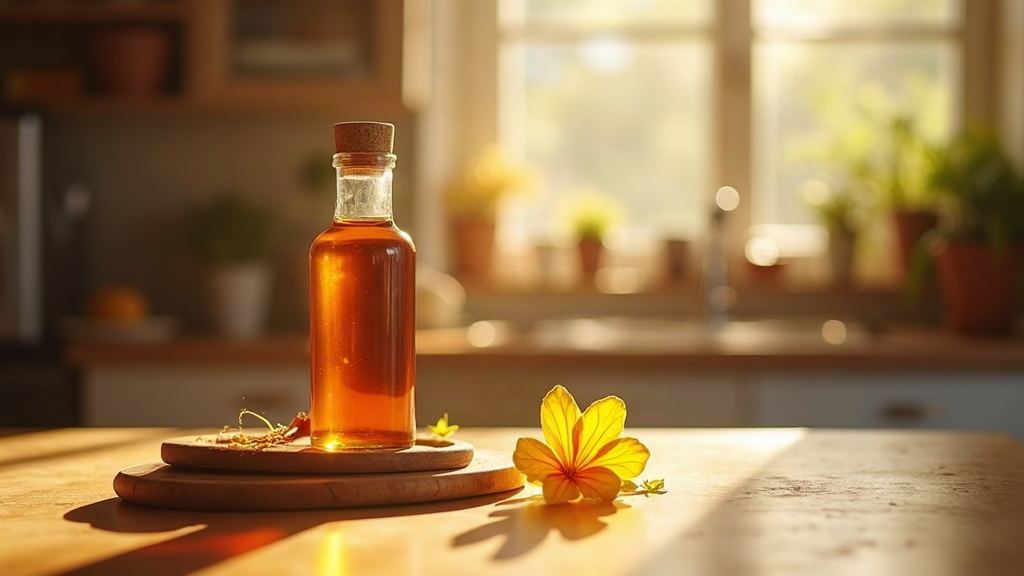
Biblical drink (oil)/ Honey blend has roots that stretch back through Mediterranean and Middle Eastern kitchens, where oil pressed from olives and honey gathered from wild hives were treated less as remedies and more as pantry staples — drizzled over bread, folded into simple grain dishes, or stirred into warm water as part of an everyday meal. Historical texts and old regional cookbooks reference the pairing not as medicine but as flavor and ritual, something served at a table the way one might serve butter or salt today. Traders carried honey along ancient routes precisely because it kept well and paired easily with whatever oil was locally pressed, and over centuries the combination settled into home cooking across several cultures, appearing in different forms — a breakfast spread, a dip for bread, a finishing touch on cooked grains.
What stands out historically is how ordinary the pairing was — a matter of taste and tradition passed down at the table, not a formula tied to any particular health outcome.
Six Everyday Moments Worth Mentioning to Your Doctor
When Breakfast Choices Keep Changing Without a Clear Reason
If what feels 'right' to eat in the morning seems to shift week to week with no obvious pattern, that's worth describing out loud to the professional who already follows your care, rather than guessing alone.
When Mid-Morning Energy Dips Become a Pattern
A single sluggish morning isn't unusual, but a repeating pattern is information — the kind best brought directly to a doctor's appointment rather than left to self-interpretation.
When Meal Timing Starts Feeling Unpredictable
Skipping meals, eating at very different times day to day, or losing a sense of rhythm around food are all details worth mentioning at your next visit, so your care team has the full picture.
When Sleep and Morning Routine Seem Connected
Poor sleep and a rough morning often travel together. If that connection feels consistent, it's a conversation for your doctor, not a pattern to manage solo.
When New Foods Are Added Without Guidance
Introducing a new ingredient, supplement, or habit — including anything like Biblical drink (oil)/ Honey blend — is worth mentioning to your doctor before making it a regular part of your routine, especially if you take any prescribed medication.
When Anything Feels Different From Your Usual Baseline
Only you know what your typical morning feels like. Any noticeable, ongoing change from that baseline deserves a conversation with the healthcare professional who manages your care — not a home explanation.
Notes on Rebuilding a Morning Routine

These are individual accounts shared for illustrative purposes only. They describe personal routines, not medical outcomes, and results or experiences vary from person to person. Nothing here should be read as a guarantee or as medical guidance.
Common Questions About This Page
No. This page discusses its culinary history and cultural use in the kitchen. It is not presented as a treatment, cure, or way to manage any health condition, and it should never replace medication or medical treatment prescribed by a doctor.
No changes to medication, insulin, or any prescribed treatment should ever be made without direct guidance from the doctor managing your care. This content does not suggest or support altering treatment on your own.
No. This is educational content about everyday eating habits and food history. It does not diagnose, treat, or describe any individual’s health status, and it is not a substitute for professional medical advice.
Adults interested in general nutrition habits and food history who want educational reading — not clinical guidance. Anyone with specific health questions should speak directly with their doctor.
Curious About the Full History Behind This Morning Habit?
Explore the complete story of Biblical drink (oil)/ Honey blend — its kitchen origins, its place at the breakfast table, and how it fits into a broader conversation about everyday habits. As always, any change to diet, routine, or treatment should be discussed with the doctor who already knows your health.
Advertising Disclosure: This page contains sponsored content and affiliate links. We may receive compensation when you click on or make purchases through links on this page. This content is provided for informational and promotional purposes.
Content Disclaimer: This content is for educational purposes only. It has not been evaluated by the FDA. It is not intended to diagnose, treat, cure, or prevent any disease and is not a substitute for professional medical advice, diagnosis, or treatment. Always consult a qualified healthcare professional before changing your diet, routine, or any prescribed treatment.
Results Disclaimer: Individual results and experiences vary. Testimonials shared on this page reflect personal accounts and are not a guarantee of any particular outcome or experience for any other individual.
© 2026 · All Rights Reserved